


Celanese
Sabtoprene® TPV 121-85M100
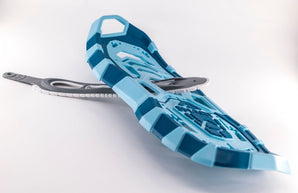
Santoprene TPV 121-85M100 is a soft, black, UV resistant thermoplastic vulcanizate (TPV) in the thermoplastic elastomer (TPE) family. This material combines good physical properties and chemical resistance for use in difficult injection molding applications. This grade of Santoprene TPV is shear-dependent and can be processed on conventional thermoplastics equipment for injection molding.
Key Features:
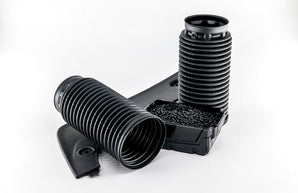
- Used in applications for exterior trims and spoilers for injection molding
- Designed for fast, easy injection molding, especially for complex part geometries
- Used in sealing applications
- Recommended for applications requiring improved part surface appearance
Processing Form:
- Injection Molding
- Multi Injection Molding
Processing Notes:
Desiccant drying for 3 hours at 80°C (180°F) is recommended. Santoprene® TPV has a wide temperature processing window from 175 to 230°C (350 to 450°F) and is incompatible with acetal and PVC. For physical foaming, a specially modified thermoplastic extruder equipped with an adapted foaming agent dosing device is required. For mechanical foaming, a 30:1 extruder is recommended.
Santoprene TPV has a relatively high melt viscosity at low shear rates. Viscosity decreases as the shear rate increases. Increasing temperature has little effect on TPV melt viscosity. Smaller gates and higher shear rates keep melt viscosity low and improve melt flow. Please also refer to the injection molding guide.
Purpose:
UV Resistant
Applications:
Automotive, Building & Construction, Consumer Goods, Electrical
Hardness:
89A
Delivery Form:
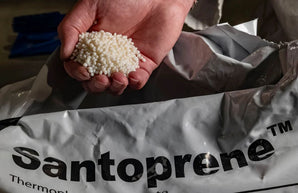
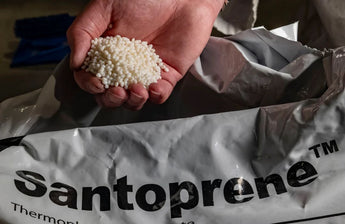
Pellets

Key Sustainability Features of Santoprene TPV
Recyclable
Unlike traditional rubber, Santoprene TPV can be reprocessed, reducing waste and improving manufacturing efficiency.
Lightweight
Reduces material usage and contributes to energy savings in transportation and logistics.
Eco-Friendly Production
Requires less energy during processing compared to traditional vulcanized rubbers.
Longevity
Durable products reduce replacement rates, minimizing overall resource consumption.
DOWNLOAD PRODUCT BROCHURE
Technical Data SheetSAMPLE FOR TESTING
Request Quote