What Is Thermoplastic Vulcanizates (TPV)?
Thermoplastic Vulcanizates (TPVs) are the perfect blend between rubber and plastic. This is a unique category of materials that combine the elasticity of rubber with the processing efficiency of thermoplastics. This hybrid composition delivers a versatile solution for industries that demand materials offering both flexibility and durability while maintaining cost and environmental advantages.
What is Thermoplastic Vulcanizates Made of?
TPV is created through a specialized vulcanization process, where finely dispersed rubber particles are embedded within a thermoplastic matrix. This process allows TPV to retain the rubber-like properties of flexibility, resilience, and compression recovery, while also being melt-processable and recyclable like thermoplastics.
Key Features of Thermoplastic Vulcanizates (TPV)
By combining the desirable characteristics of rubber with the practicality of thermoplastics, TPVs deliver a material that is not only highly functional but also adaptable to modern sustainability requirements. Whether you're designing for automotive, industrial, or consumer applications, TPVs offer the performance and eco-friendly benefits that today’s industries demand.
High Heat and Chemical Resistance
TPVs can withstand prolonged exposure to high temperatures, making them ideal for under-the-hood automotive components and other demanding environments. Products maintain performance without degradation in challenging conditions.
Durability and Resilience
TPV combines rubber's ability to absorb stress and deformation with thermoplastics' structural stability. It ensures long product lifespans, even under repetitive mechanical or environmental stress.
Flexibility
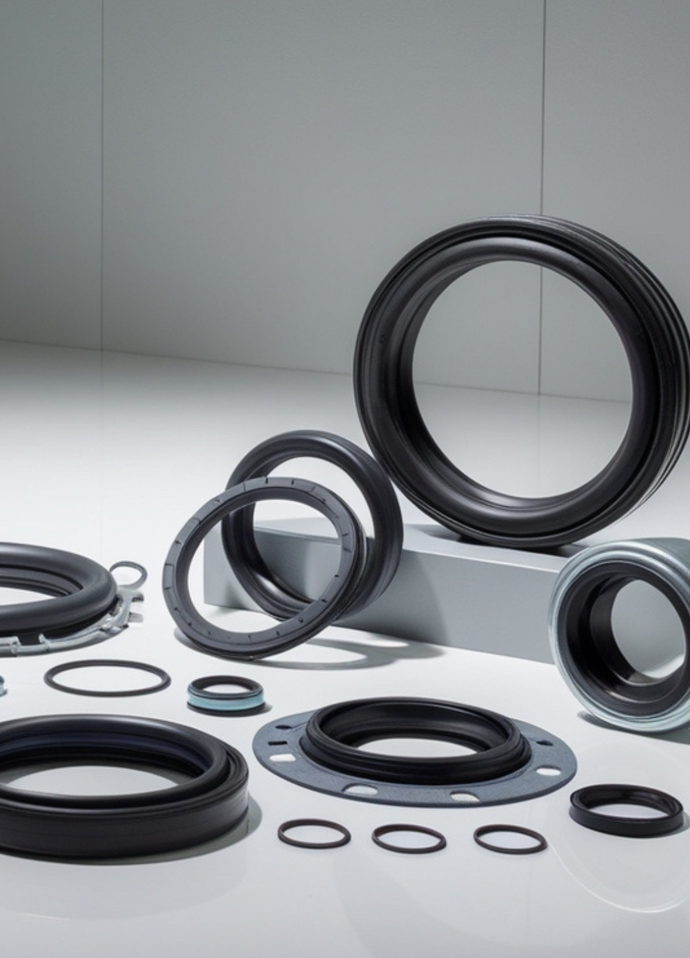
Unlike many rigid thermoplastics, TPVs are soft, elastic, and capable of significant elongation without breaking. Suitable for seals, gaskets, and other applications where movement and flexibility are critical.
Recyclability
TPV can be re-melted and reformed during production, reducing waste and supporting sustainable manufacturing practices. It offers manufacturers a cost-effective, eco-conscious alternative to traditional thermoset rubber.
Lightweight Properties for Energy Savings
TPV materials are naturally lightweight compared to traditional rubber alternatives. This reduces the overall weight of components, making them ideal for applications like automotive and transportation industries. In automotive applications, lighter parts contribute to improved fuel efficiency and reduced emissions. In consumer products, lightweight materials enhance portability and user convenience, especially for items like wearable devices or handheld tools.
Easy Processing for Cost Efficiency
As a thermoplastic material, TPV can be easily processed using conventional plastic manufacturing techniques, such as injection molding and extrusion. Its re-meltable properties allow for efficient shaping and rework during production. Simplified and faster processing translates into lower production costs and shorter lead times. Additionally, the ability to recycle offcuts and regrind waste enhances manufacturing efficiency and reduces material waste, making TPVs a cost-effective choice for high-volume production runs.
What Are the Sustainability Benefits of TPV?
Industries & Applications of TPV




Explore Our Trusted TPV Brands