Lubrizol
Estane® ZHF 58202 NAT 02
Estane ZHF 58202 NAT 02 is a non-halogen flame retardant thermoplastic polyurethane based on an aromatic polyether TPU structure. The material is designed for extrusion applications where flame retardancy and durable mechanical performance are required.
This TPU grade combines high elongation, strong tear resistance and good abrasion resistance with reliable flexibility. The non-halogen flame retardant formulation supports improved fire safety performance while maintaining the processing advantages typical for thermoplastic polyurethane materials.
Key Features:
- Non-halogen flame retardant TPU
- Aromatic polyether-based thermoplastic polyurethane
- Good abrasion and tear resistance
- High elongation and flexibility
- UL94 V-2 flame rating
- UL temperature rating up to 105°C
- Designed for extrusion processing
Processing Form:
- Extrusion
Processing Notes:
Prior to processing, the material should be dried at approximately 100°C for 4 hours in a dehumidifying dryer with a target dew point of -40°C to ensure proper moisture control and stable extrusion processing.
Purpose:
Flame Retardant
Application:
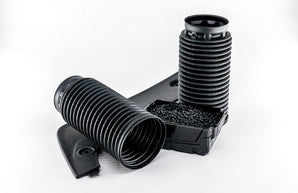
Used for extruded TPU components requiring flame retardancy and durability such as cable jacketing, industrial tubing, technical profiles and flexible structural parts.
Delivery Form:
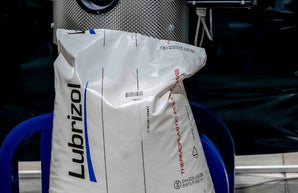
Pellets

Key Sustainability Features of Estane TPU
Bio-Based Content
The Estane ECO TPU series incorporates renewable materials, with bio-based content ranging from 20% to 69%, certified according to ASTM D6866.
Biomass Balance Approach
The Estane RNW TPU line utilizes mass-balanced biomass feedstocks, reducing reliance on fossil-based sources while maintaining the quality and performance of standard petroleum-based resins.
Reduced Carbon Footprint
Implementing sustainable feedstocks in Estane RNW TPU products has achieved up to a 59% reduction in product carbon footprint, contributing to lower greenhouse gas emissions.
Performance Consistency
TPUs deliver the same high-quality performance as traditional TPUs, ensuring that sustainability enhancements do not compromise material integrity.