Lubrizol
Estane® 58887 TPU
Estane 58887 is an 87 Shore A aromatic polyether-based thermoplastic polyurethane (TPU) designed for extrusion and molding applications requiring durability, clarity and hydrolysis resistance. This grade provides excellent hydrolysis resistance, good low-temperature performance and strong mechanical properties. Estane 58887 also offers a wide processing window for extrusion processes and can be processed using conventional thermoplastic equipment.
Key Features:
- Polyether-based TPU
- Hardness: 87 Shore A
- Excellent hydrolysis resistance
- Good low-temperature performance
- High tensile strength and abrasion resistance
- Good clarity
- Wide processing window for extrusion
Processing Form:
- Blown Film Extrusion
- Flat Die / Cast Film Extrusion
- Injection Molding
- Blow Molding
- Cable Jacketing
- Profile Extrusion
Processing Notes:
Prior to processing, Estane 58887 TPU should be dried at 104°C (220°F) for 2–4 hours using a desiccant dryer to reach a moisture level below 0.02%.
Typical melt processing temperature for extrusion is around 191°C depending on processing conditions.
Purpose:
Application:
Used for blown and cast film extrusion, injection and blow molding, cable jacketing and profile extrusion where hydrolysis resistance and clarity are required.
Delivery Form:
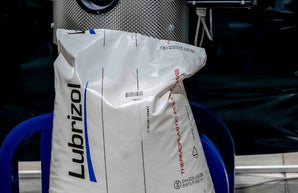
Pellets

Key Sustainability Features of Estane TPU
Bio-Based Content
The Estane ECO TPU series incorporates renewable materials, with bio-based content ranging from 20% to 69%, certified according to ASTM D6866.
Biomass Balance Approach
The Estane RNW TPU line utilizes mass-balanced biomass feedstocks, reducing reliance on fossil-based sources while maintaining the quality and performance of standard petroleum-based resins.
Reduced Carbon Footprint
Implementing sustainable feedstocks in Estane RNW TPU products has achieved up to a 59% reduction in product carbon footprint, contributing to lower greenhouse gas emissions.
Performance Consistency
TPUs deliver the same high-quality performance as traditional TPUs, ensuring that sustainability enhancements do not compromise material integrity.