Lubrizol
Estane® 58213 TPU
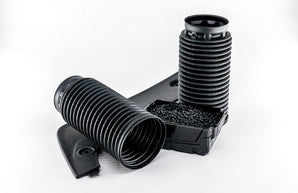
Estane 58213 is a aromatic polyester-based thermoplastic polyurethane (TPU) designed for film extrusion, hose jacketing and calendaring processes. This grade provides good physical properties, high elongation and strong abrasion resistance. Estane 58213 is also an excellent blend partner for PVC and general adhesives, making it suitable for coating and flexible film applications where compatibility and durability are required.
Key Features:
- Polyester-based TPU
- Hardness: 75 Shore A
- Excellent blend partner for PVC
- Compatible with general adhesives
- High elongation (680%)
- Good tensile strength (37.9 MPa)
- Good abrasion resistance
- Suitable for film and coating applications
Processing Form:
- Flat Die / Cast Film Extrusion
- Hose Jacketing
- Calendaring
- Melt Coating
Processing Notes:
Dry the material at 54°C (130°F) for 2–4 hours in a desiccant dryer to achieve a moisture level below 0.02%.
Recommended extrusion temperatures: Zone 1: 166°C, Zone 2: 171°C, Zone 3: 176°C, Zone 4: 182°C, Adapter: 182°C, Die zones: 182°C. Melt temperature approximately 179°C.
Purpose:
Application:
Used for film extrusion, hose jacketing, calendaring and melt coating applications, particularly where compatibility with PVC and adhesives is required.
Delivery Form:
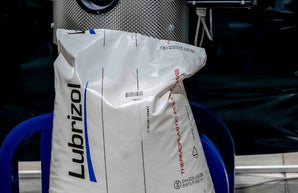
Pellets

Key Sustainability Features of Estane TPU
Bio-Based Content
The Estane ECO TPU series incorporates renewable materials, with bio-based content ranging from 20% to 69%, certified according to ASTM D6866.
Biomass Balance Approach
The Estane RNW TPU line utilizes mass-balanced biomass feedstocks, reducing reliance on fossil-based sources while maintaining the quality and performance of standard petroleum-based resins.
Reduced Carbon Footprint
Implementing sustainable feedstocks in Estane RNW TPU products has achieved up to a 59% reduction in product carbon footprint, contributing to lower greenhouse gas emissions.
Performance Consistency
TPUs deliver the same high-quality performance as traditional TPUs, ensuring that sustainability enhancements do not compromise material integrity.